







Search Results for: Time Extract Coffee
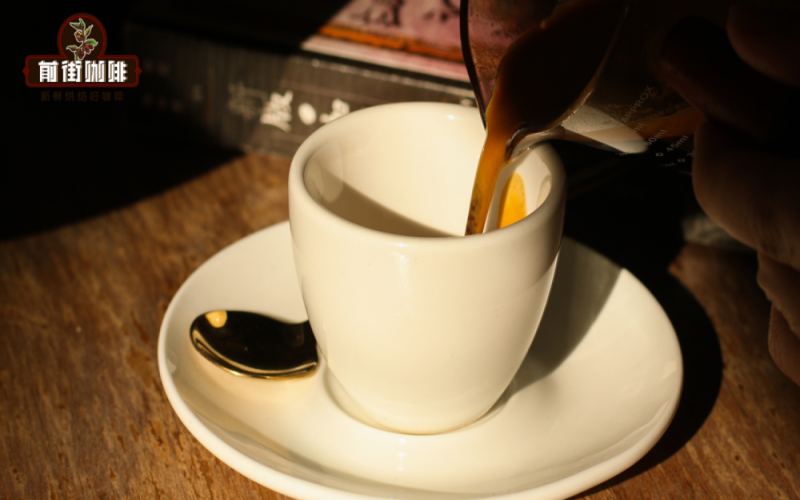
How to Extract Espresso? A Full Analysis of Dose-to-Yield Ratio, Grind Size, and Extraction Time
To make a decent espresso at home, you need to get three things straight: how much coffee you use, how much liquid you extract, and how fine you grind. The standard reference is a 1:2 coffee-to-liquid ratio—about 9 grams of coffee yielding 18 grams of liquid for a single shot, and 18 grams of coffee yielding 36 grams for a double, with the actual output fine-tuned to taste. As for grind size, watch the flow rate: if it runs fast, grind finer; if it runs slow, grind coarser, until the extraction time falls within the right range. The roast level of the beans also matters a lot—medium-dark roasts and darker make it easier to achieve a balanced flavor. Drawing on the real-world parameters of Front Street Coffee's classic blend, this article lays out the extraction logic clearly in one go. [more…]
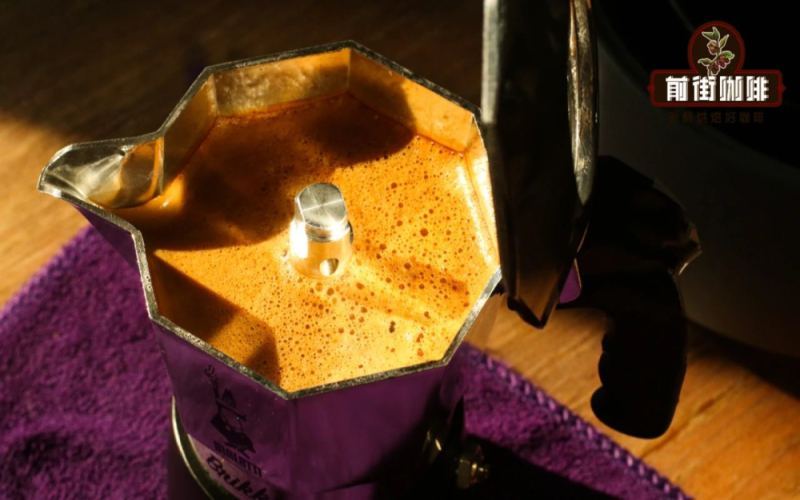
Moka Pot Espresso Brewing Tutorial: Coffee-to-Water Ratio, Step-by-Step Guide, and Crema Improvement Tips Explained
There are more and more moka pot enthusiasts, but many people are still puzzled that they cannot extract the ideal crema. In fact, crema is essentially a foam mass filled with carbon dioxide, and because the moka pot operates at a lower pressure (about 3 bar), its crema is relatively thin. This article starts with the causes of crema, then shares how to enhance the richness of moka pot coffee crema by selecting beans, adjusting to a finer grind, using hot water, reducing boiling time, and using a pressure valve, and recommends coffee beans suitable for the moka pot, such as Front Street Golden Mandheling SOE, Brazil Queen's Estate SOE, and the classic espresso blend, to help you make a rich and full-bodied cup of moka pot coffee. [more…]
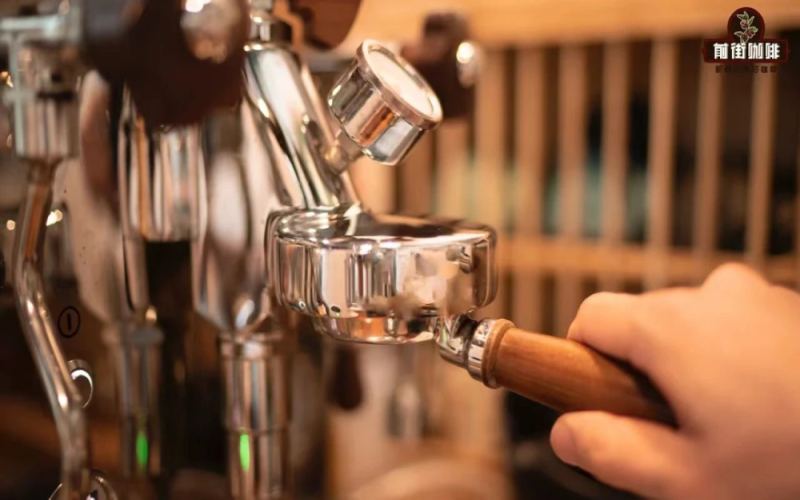
Espresso Extraction | What Is the Ideal Water Temperature Setting for an Espresso Machine? Does Water Temperature Affect Espresso Extraction?
For more specialty coffee knowledge, please follow: Front Street Coffee (Frontsteet Coffee). In the past, when Front Street shared knowledge about espresso extraction, it focused on parameters such as grind size, dose, ratio, extraction time, and pressure, and also provided in-depth analysis of steps like receiving the grounds, distributing the grounds, and tamping. [more…]

What is Lungo Coffee? A Full Analysis of Its Differences from Long Black, Ristretto, and Standard Espresso
Many coffee enthusiasts are still unfamiliar with Lungo, and may even confuse it with Long Black. In fact, Lungo, like Ristretto, belongs to the espresso family—both are made directly with an espresso machine without adding any other ingredients. The difference lies in the amount of extracted liquid: a standard espresso uses 20g of grounds to extract about 40ml, Ristretto reduces the liquid to about 30ml to increase concentration, while Lungo extends the extraction time and increases the liquid to about 100ml, with concentration decreasing accordingly. Lungo was born in an era when early espresso machines had pressure of only 1.5~3 bar, and at that time the only way to compensate for insufficient pressure was to extend the extraction. Today, espresso machines are much more efficient, and traditional Lungo tends to be over-bitter, but by adjusting the parameters, it is still possible to make a version that suits modern tastes. In this article, Front Street Coffee will walk you through the origins of Lungo, its differences from Long Black and Ristretto, and how to extract a modern Lungo that isn't bitter. [more…]
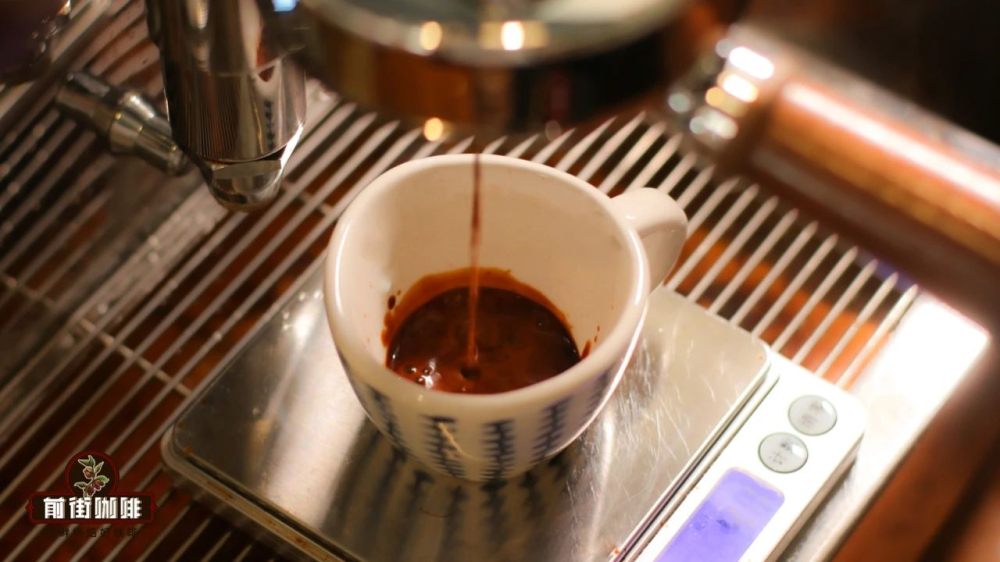
Beginner's Guide to Espresso Machines | How Can Coffee Beginners Use Coffee to Extract Espresso? How Do You Judge Whether Espresso Extraction Is Correct?
For more specialty coffee knowledge and sharing, please follow: Front Street Coffee (FrontStreet Coffee). When talking about Italian coffee, one cannot fail to mention Espresso. As the main tool for extracting Espresso, the espresso machine is an indispensable piece of equipment. Espresso [more…]
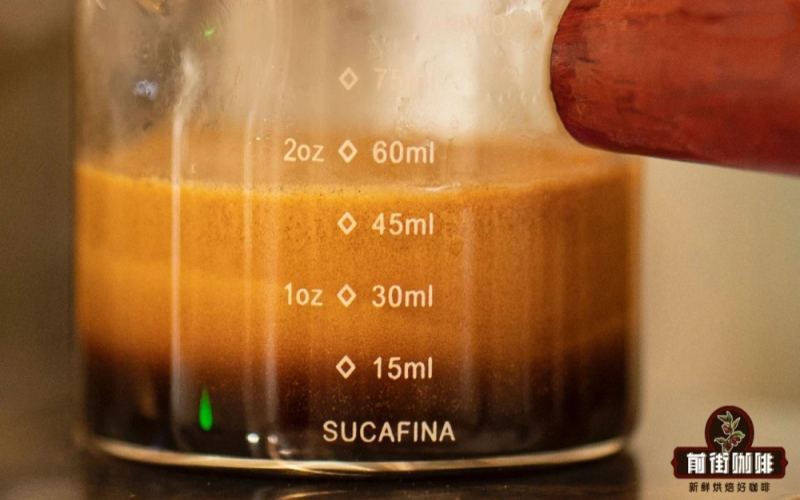
After an espresso extraction is interrupted, can it be resumed? Testing the impact of segmented extraction on flavor and flow rate
When making espresso, extraction occasionally ends prematurely due to an accidental touch or oversight. Some people wonder: since it wasn't extracted enough, can we just press the button again to continue extracting, like with pour-over? Front Street used the Warm Sun blend to conduct a comparative experiment, testing three scenarios: normal extraction, extraction resumed after being interrupted midway, and extraction resumed after being interrupted near the end. The results showed that after restarting, the flow rate was extremely fast, the color was pale, and the flavor was noticeably thin; even with further extraction, it was difficult to fully extract the remaining substances. This article will start from the principle of pressurized extraction in espresso machines to explain why the same puck is not suitable for secondary extraction, and what the more reliable approach is when an accidental interruption occurs. [more…]
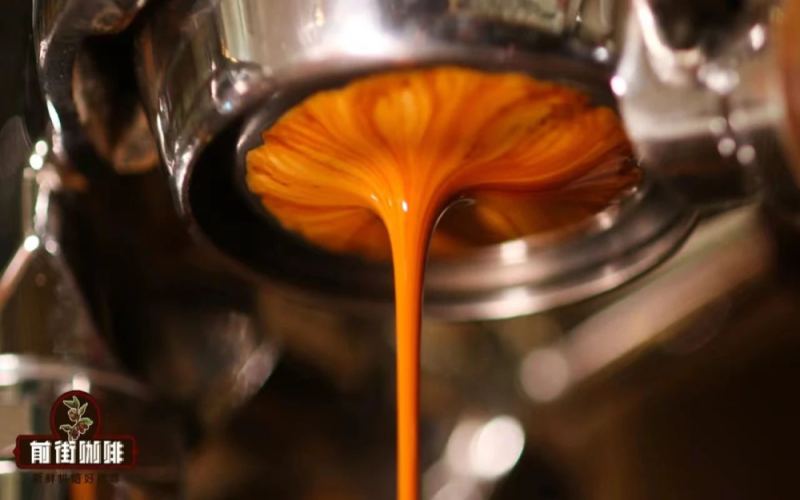
Which type of coffee beans can extract a rich crema? A selection of espresso beans ideal for latte art
The golden crema on the surface of an espresso is an important reference for many enthusiasts when judging the quality of a cup of coffee. How exactly is it formed? Does more crema mean better coffee? Starting from the principles behind crema formation, this article analyzes the emulsification and pressure changes during the espresso extraction process, explains the relationship between crema and coffee bean freshness, and reminds readers that abundant crema is not the only criterion for judging good coffee. Finally, we will recommend two Front Street espresso blend beans suitable for those pursuing rich crema and a full-bodied mouthfeel, introducing their recipe origins and flavor characteristics respectively, helping you easily extract thick, velvety crema at home and handle both Americanos and lattes with ease. [more…]
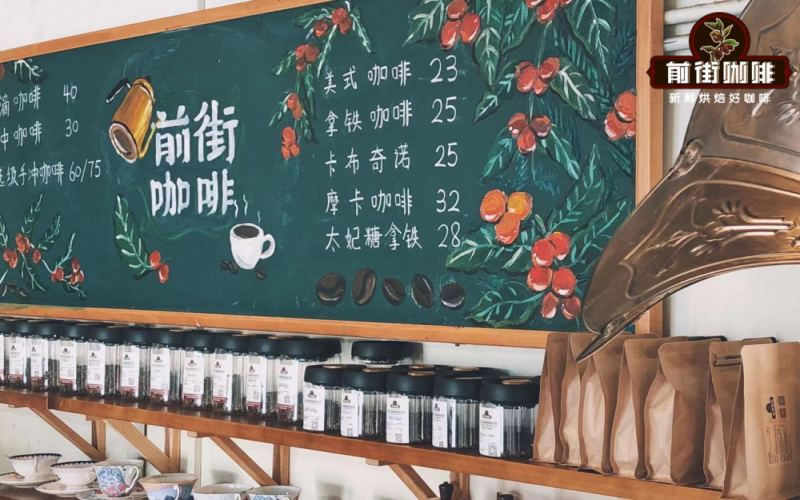
Characteristics of Italian Espresso | How Many Types of Espresso Are There? How Can Coffee Beginners Learn to Extract Espresso?
For more specialty coffee knowledge, please follow: Front Street Coffee (Frontsteet Coffee) Italian espresso, also called Espresso, uses steam pressure to force scalding hot water through ground coffee, brewing a small, strong, and aromatic cup of pure black coffee topped with golden crema. [more…]
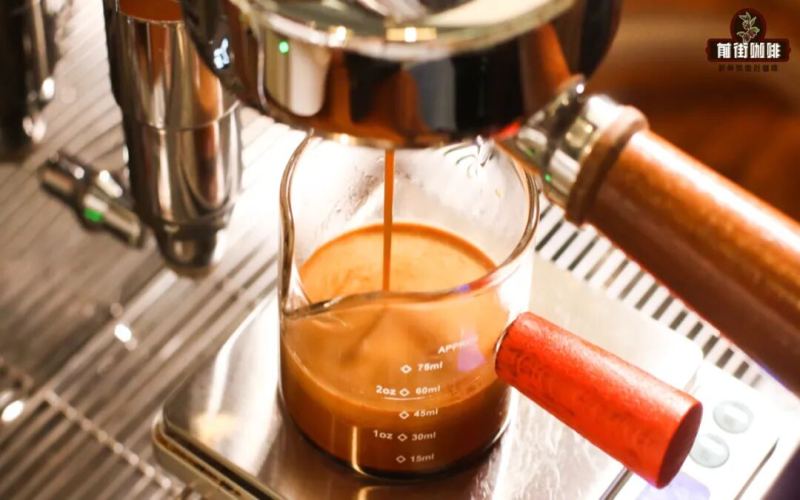
Coffee Water Temperature | What Does Your Coffee Machine's Water Temperature Affect? What Water Temperature Should Be Used to Brew a Delicious Espresso?
Previously, when Front Street shared knowledge related to espresso extraction, it would focus on the effects of parameters such as dose, ratio, grind, time, and pressure on extraction. In addition, it also emphasized analyzing the key operational points in steps such as receiving the grounds, distributing the grounds, tamping, and locking the portafilter into place. Only water temperature was something Front Street always [more…]
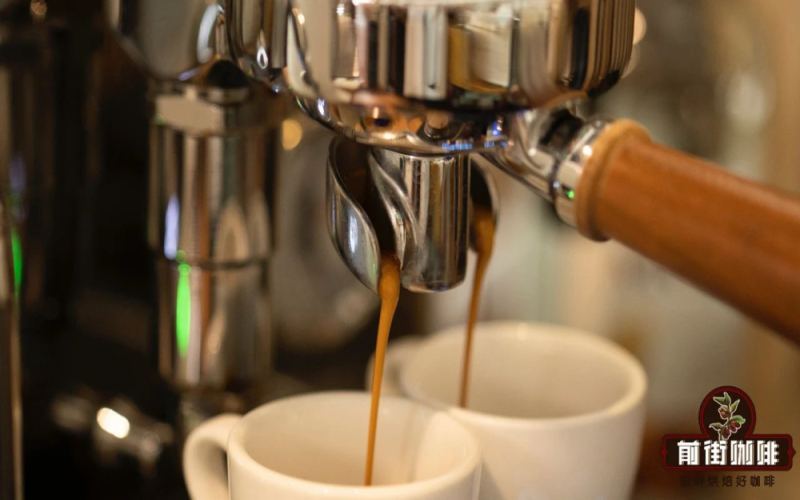
A Complete Guide to Espresso: Extraction Principles, the Science of Crema, and the Standard Brewing Process
Espresso is a coffee beverage obtained by Italians using a pressurized coffee machine to quickly extract coffee at high temperature and pressure in a short time, with a layer of golden foam on its surface. Different stores may have significantly different final flavors due to the espresso beans and extraction schemes they choose, but a standard espresso usually has two common characteristics. This article will start with the formation principle of the cream, explain the relationship between its color and the freshness of the coffee beans and the degree of roasting, then discuss the causes of high concentration, and, using the products from Front Street stores as a reference, introduce in detail the complete production process from powder amount, ratio, and time to specific operations, helping coffee enthusiasts to consistently extract an ideal cup of Espresso at home. [more…]

Moka Pot Tutorial | How to Use a Moka Pot to Extract Espresso Crema? What Are the Requirements of a Moka Pot for Coffee Beans? How to Determine the Coffee Ground Coarseness for a Moka Pot?
The moka pot is a household coffee brewing device that has won people's affection for its many advantages, such as being simple to operate, convenient, and space-saving, and it has also caught the attention of many beginners. Today, Front Street will give a proper introduction to using the moka pot, combining text and images, so everyone can get started quickly. Moka [more…]
A Detailed Guide to Espresso Coffee Powder-to-Water Ratio: From the Standard 1:2 to Flexible Adjustment Techniques for Extraction Parameters
The brew ratio of espresso is one of the key factors determining its flavor expression. The standard ratio is usually 1:2, meaning a single shot uses 9 grams of coffee to extract 18 grams of liquid, while a double shot uses 18 grams of coffee to extract 36 grams of liquid. However, in actual production, fine-tuning based on taste is still necessary. Starting from the definition of espresso, this article will provide a detailed analysis of its taste characteristics, the correct way to drink it, and the adjustment logic of core extraction parameters such as dose, liquid weight, and grind size. At the same time, drawing on the hands-on experience of Front Street Coffee stores, it will share how to quickly dial in a balanced and delicious espresso through flexible variable control. [more…]

How to Fine-Tune the EK43 Grinder Settings? A Detailed Guide to Quickly Verifying Pour-Over Coffee Grind Size
Grind size is the key variable that determines the success or failure of a cup of coffee extraction. If the grounds are too fine, they tend to over-extract and become bitter; if the grounds are too coarse, the extraction is insufficient and the flavor is weak. Starting from the practical experience of Front Street Coffee, this article systematically explains the mechanism by which grind setting affects extraction efficiency, sorts out the grind ranges corresponding to different brewing methods such as espresso, pour-over, and French press, and focuses on explaining the setting of the EK43s grinder in the pour-over scenario—medium-light roast beans are recommended at 10, and medium-dark roast beans at 10.5. It also introduces the specific operation of using a 0.85mm No. 20 sieve for sifting verification, helping coffee enthusiasts quickly judge and correct the grind size, so that every cup of coffee can consistently present the ideal flavor. [more…]
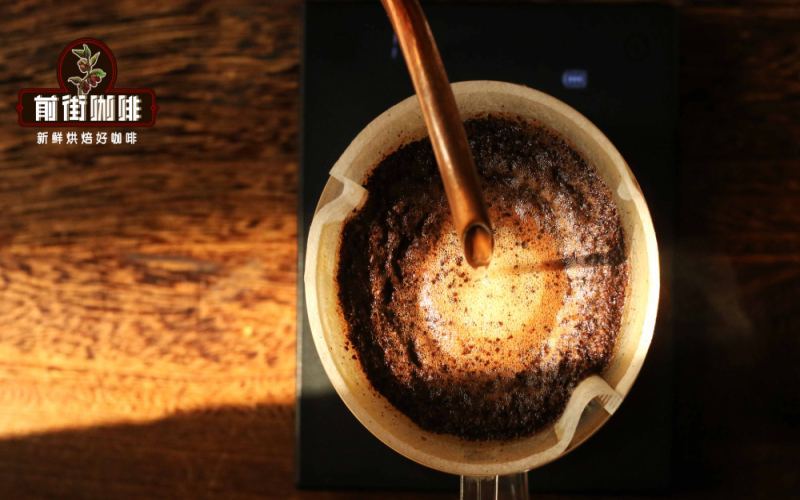
How Is Coffee Ground Size Classified? An Analysis of Grind Size Differences from Extra Fine to Coarse and the Standards for Pour-Over
The essence of coffee extraction is using water to dissolve flavor compounds out of coffee beans, and among the several core variables that determine extraction results, grind size is often the most intuitive and the one that most needs precise control. The finer the coffee is ground, the faster water penetrates into the particles to extract compounds, and the more flavor can be dissolved in the same amount of time, naturally making the taste richer; conversely, the coarser the particles, the lower the extraction efficiency, and the coffee easily tastes weak. So how many levels of grind size are commonly available on the market? What grind levels suit espresso, pour-over, and French press respectively? And how does Front Street Coffee use a 0.85mm standard sieve to define the baseline for pour-over grinding? This article will break down, one by one, the mechanisms by which grind size affects taste, sort out the coarseness spectrum from Turkish pot to French press, and provide a reusable method for judging pour-over grind size. [more…]
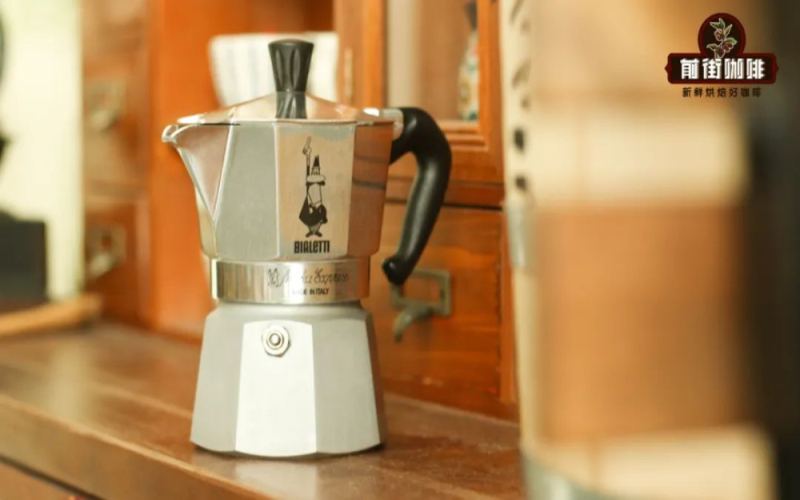
How Does a Single-Valve Moka Pot Extract Rich Crema? A Full Breakdown of Coffee Bean Selection, Grind Size, and Coffee-to-Water Ratio
Many espresso enthusiasts, deterred by the high price of semi-automatic espresso machines, turn to the more cost-effective moka pot instead. However, because a single-valve moka pot generates less than 9 bar of pressure, the crema it produces tends to be thin and dissipates quickly—a real letdown for those who love a rich, full-bodied cup or enjoy making milk-based coffee and latte art. In fact, there's no need to switch pots; with just a few adjustments to your coffee bean selection, grind size control, and tamping method, you can significantly improve the crema. This article starts by explaining the reasons behind thin crema, then details the advantages of dark-roasted fresh beans, the key point of grinding between pour-over and espresso fineness, the ratio of about 19g of grounds to 110ml of hot water for a 3-cup pot, and recommends three beans suited to the moka pot—Front Street Coffee's PWN Golden Mandheling, Queen's Estate, and Classic Espresso Blend—to help you extract rich crema even with a single-valve pot. [more…]
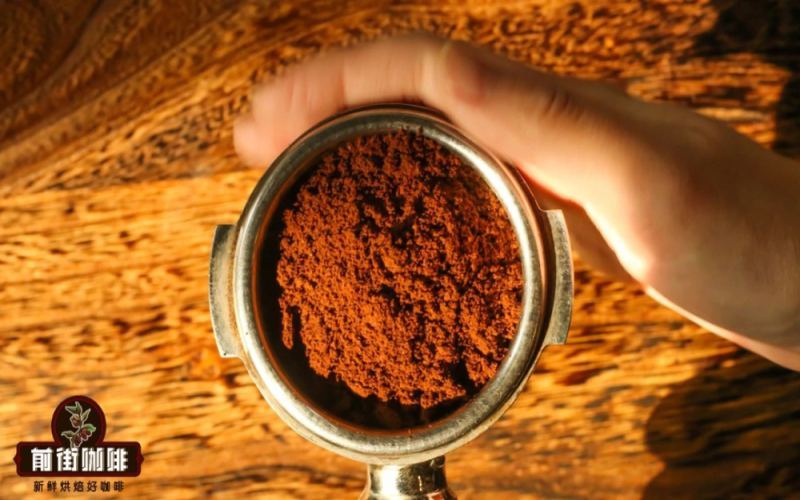
How to Choose and Extract Espresso Beans? A Complete Guide from Blend Recommendations to Parameters and Steps
To make a delicious espresso at home or in a café, the choice of coffee beans and the extraction parameters are equally crucial. Different machines and bean conditions vary, and no single set of data can guarantee 100% success, but mastering dose, ratio, time, and grind size can greatly improve consistency. This article begins with the flavor sources of espresso, introduces the origin composition and flavor characteristics of several Front Street Coffee blends—Classic, Strawberry Candy, Specialty, Commercial, and Basic Espresso Blend—and then breaks down core parameters such as dose, brew ratio, extraction time, and grind size in detail. Finally, it includes the complete operational steps from dosing, distribution and tamping, pre-extraction confirmation, to extraction, helping coffee enthusiasts systematically understand the logic of making espresso. [more…]
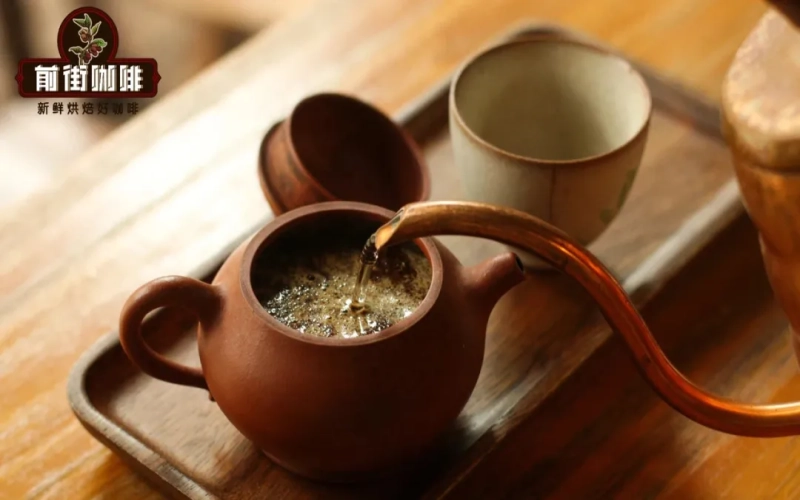
Can an espresso machine also brew concentrated tea? Testing the methods, parameters, and precautions for brewing tea with an espresso machine
The extraction principles of coffee and tea are essentially the same. Since an espresso machine can use pressure to extract a high-concentration coffee in a short time, can it also be used to extract a cup of "espresso tea"? With this question in mind, Front Street conducted an actual test: from the choice of grinding equipment, the adjustment of tea leaf dosage, to the control of the powder-to-water ratio and extraction time, the entire process of extracting tea with a coffee machine was fully recorded. Experiments have shown that a coffee machine can indeed extract tea with a concentration comparable to espresso, but many pitfalls were also encountered during the process—difficulties in cleaning the grinder, clogged portafilter baskets, and tea fragments seeping in and affecting the taste appeared one after another. This article will share the specific parameters and operating details, and give Front Street's practical advice: if you really want to try it, it is best to be mentally prepared, or add professional tea extraction tools. [more…]
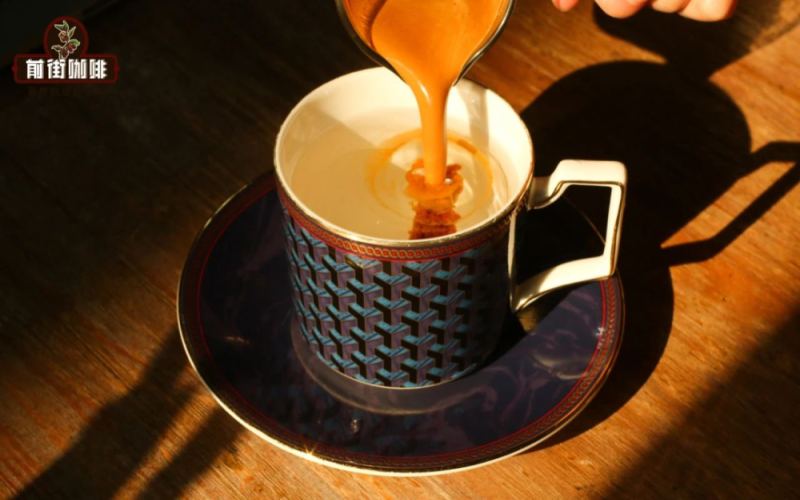
Types of Black Coffee | How Are Pour-Over and Espresso Different? Can Espresso Blend Beans Be Used for Pour-Over? Can Single-Origin Beans Be Used to Extract Espresso?
Coffee is gaining popularity among more and more Chinese people, even somewhat rivaling fast-food tea drinks like milk tea, though consumption groups each have their own preferences. When it comes to coffee, one cannot help but mention pour-over coffee and espresso. Pour-over coffee most often uses single-origin beans, and its unadorned beauty is not crude, [more…]
How to Choose and Extract Espresso Beans? A Full Analysis of Five Front Street Coffee Blend Parameters and Operations
To make a delicious espresso at home or in a shop, choosing the right beans is the first step, and dialing in the parameters is the second. Different espresso machines affect consistency, but what truly determines the flavor direction is the coffee beans themselves. This article starts with the selection of espresso beans and introduces five espresso blends from Front Street Coffee designed for coffee machines, including the Classic, Strawberry Candy, Specialty, Commercial, and Basic series, explaining their blend compositions and flavor characteristics respectively; it then systematically explains key parameters such as dose, brew ratio, extraction time, and grind size, and provides Front Street Coffee's practical recommendations and a complete extraction procedure to help coffee enthusiasts consistently reproduce their ideal espresso. [more…]
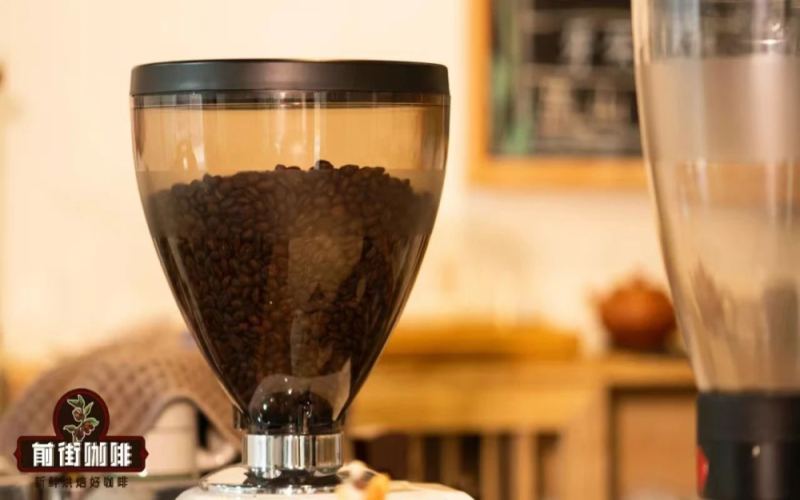
Espresso Extraction Adjustment Guide: Americano Time Control and Iced Americano Flavor Analysis
When brewing espresso, have you ever encountered this dilemma: you extract a cup full of anticipation, only to find it piercingly sour or bitter and astringent on the first sip? Many friends who make espresso at home know this all too well—the battle of dialing in espresso is far more complicated than imagined. Yesterday the flavor was still satisfying, but today it has completely changed. Is there a way to quickly get the espresso taste back on track while minimizing coffee bean waste? This article will focus on several core points of espresso extraction, including how to choose stable espresso beans, why coffee beans change flavor, how to fine-tune the extraction ratio and dose, when to adjust the grind size, and the extraction time for Americano as well as the taste characteristics of iced Americano, helping you quickly master the adjustment logic and consistently produce a delicious Americano or latte at home. [more…]